How to Run Longer Without Getting Tired? Zone 2 Training Guide for Beginners 2026

Have you ever found yourself completely out of breath, with heavy legs and a racing heart, after running just one or two kilometers? If this sounds familiar, don't worryit doesn't mean you are out of shape. More often than not, it simply means your running pace and heart rate are pushing way past what your aerobic system can handle. If your goal is to gradually increase your mileage for a 10K, a mini-marathon, or even a half-marathon, the ultimate answer to "how to run longer without getting tired" lies in a proven scientific method: Zone 2 Heart Rate Training.
Understanding "Zone 2": The Secret to Athletic Endurance
Your running intensity can be divided into five distinct heart rate zones based on a percentage of your Maximum Heart Rate (Max HR). For Zone 2 (The Aerobic Zone), your target window sits comfortably between 60% and 70% of your Max HR.
What makes Zone 2 so special is that it serves as the sweet spot where your body primarily burns stored fat for fuel instead of relying heavily on carbohydrates. This means your muscles produce minimal lactic acidthe primary culprit behind muscle fatigue and painful cramps. Over time, consistently training in this zone strengthens your cardiovascular system, increases capillary density, and builds more mitochondria (the energy powerhouses in your cells). The long-term result? You will be able to cover much longer distances with far less fatigue.
Zone 2 Running Tips for Beginners Getting Into Long Runs
If you want to keep your heart rate from spiking out of the aerobic zone during your weekly long runs, here are three highly effective, actionable tips you can use right away:
1. Master the "Talk Test"
The correct pace for a proper Zone 2 run is one where you can easily hold a full conversation or sip water without gasping for air. If you find yourself struggling to speak in complete sentences or breathing heavily through your mouth, you have likely crossed over into Zone 3 or 4. When that happens, actively slow down your stride.
2. Embrace the "Run-Walk" Strategy
Because beginners typically have a developing aerobic base, even a light, gentle jog can cause your heart rate to shoot right past Zone 2. Don't be discouraged if you have to slow down. Use a structured run-walk approach: jog lightly until your smartwatch alerts you that your heart rate is getting too high, then switch to a brisk walk. Once your heart rate drops back down into your Zone 2 target, start jogging again. Over time, your body will adapt, and you will be able to run continuously without walking breaks.
3. Monitor Your Vitals Dynamically with a Smartwatch
Relying solely on how tired you feel can be highly inaccurate, especially when you are just starting out. Utilizing a reliable fitness tracker that monitors your heart rate in real-time is the safest and most efficient way to keep your effort perfectly dialed into Zone 2.
Track Your Zone 2 Pace Perfectly with the Black Shark Run from Thaisuperphone
Building your aerobic endurance doesn't mean you have to break the bank on a high-end sports watch. Thaisuperphone has recently launched a highly capable, budget-friendly solution tailored specifically for athletes looking to optimize their training data:
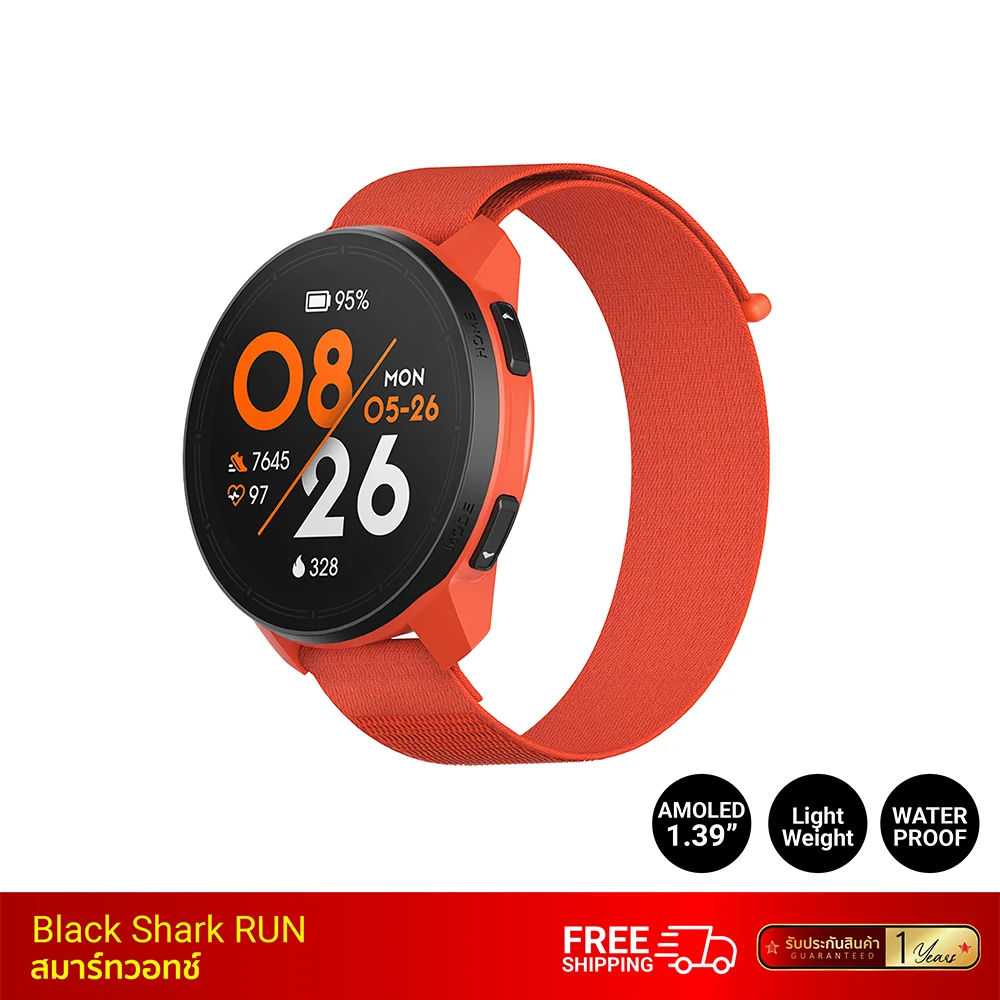
- Black Shark Run Smartwatch: This new arrival features a premium, featherlight 30-gram body that ensures ultimate agility and absolute comfort over long distances. It boasts a stunning, sunlight-readable 1,000 nits AMOLED display and a built-in 5-satellite GPS system to accurately chart your routes. Most importantly for endurance runners, it allows you to sync your real-time heart rate and pacing data directly to Strava via the companion app, making it incredibly easy to track your weekly aerobic progress.
Conclusion: Slow Down Now to Run Faster and Further Tomorrow
The most challenging part of Zone 2 training is leaving your ego at the door and letting yourself move slower initially. While running at a slower pace might feel counterintuitive at first, it is the absolute fastest way to build an ironclad cardiovascular foundation. As your fitness improves, you will soon realize that at the exact same Zone 2 heart rate, you are running noticeably faster, covering massive distances, and finishing your long runs feeling entirely refreshed.