Can Smartwatches Measure Blood Pressure? How It Works and How to Understand the Readings
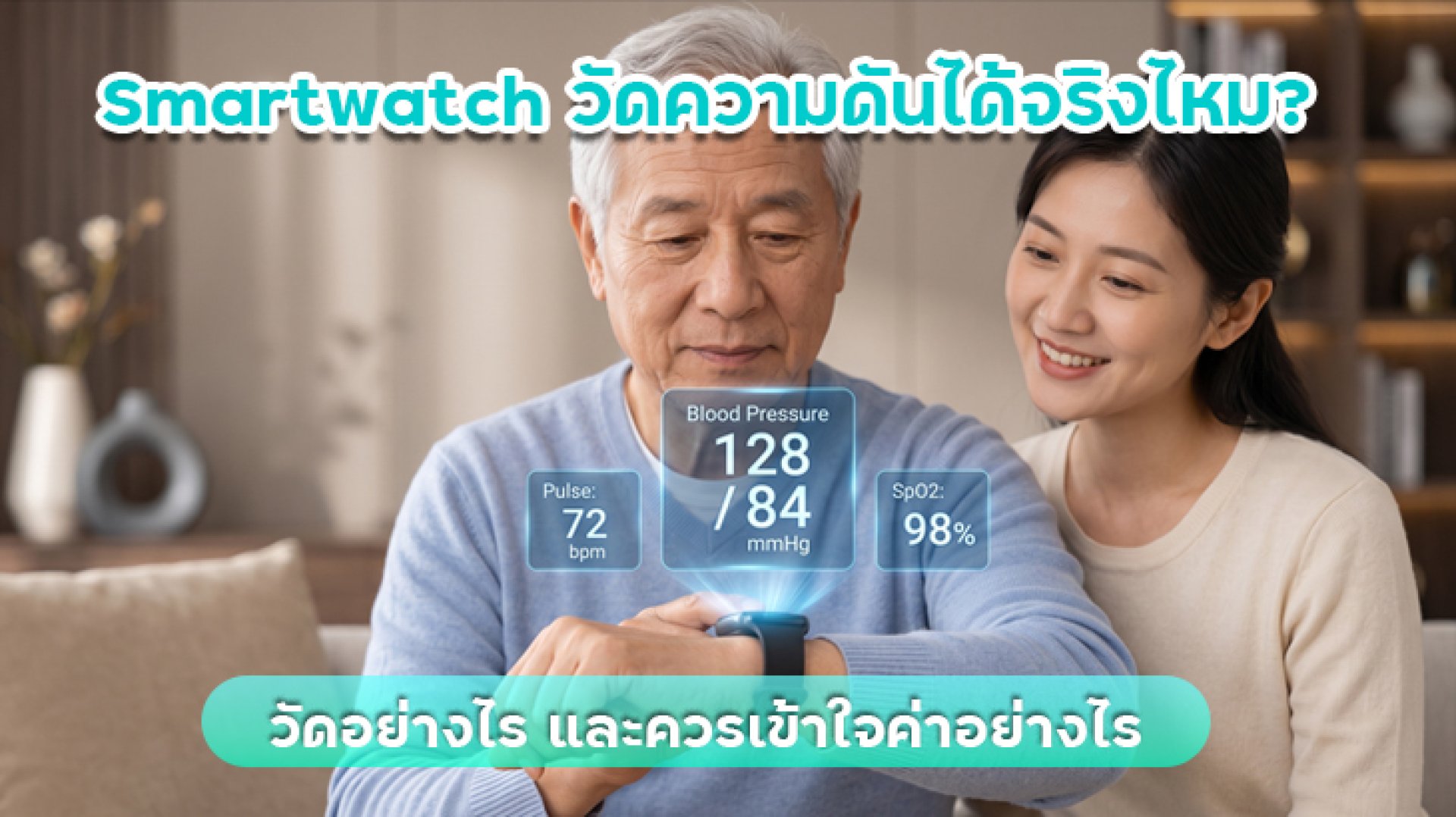
Have you ever wondered whether your smartwatch can actually measure blood pressure? Smartwatches have become much more advanced in recent years, offering health features such as heart rate monitoring, SpO tracking, ECG, and, on some models, blood pressure monitoring.
But how reliable are those numbers? And how can a smartwatch estimate blood pressure without using the inflatable cuff found on a traditional blood pressure monitor?
This guide explains how smartwatch blood pressure monitoring works, what SYS and DIA mean, how to interpret the numbers, and the limitations you should know before relying on readings from a smartwatch.
Can Smartwatches Really Measure Blood Pressure?
Some smartwatches can estimate or display blood pressure readings, but you should not assume that every smartwatch can measure blood pressure as accurately as a validated upper-arm blood pressure monitor.
Traditional blood pressure monitors use an inflatable cuff placed around the upper arm to temporarily control blood flow and detect changes associated with blood pressure. Cuffless smartwatches, on the other hand, may use sensors positioned on the wrist together with algorithms to estimate blood pressure.
The American Heart Association (AHA) states in its 2025 high blood pressure guideline that cuffless devices, including smartwatches, should not currently be relied upon for accurate blood pressure measurements until their accuracy and reliability have been sufficiently demonstrated.
Therefore, if you need to monitor blood pressure seriously, a validated automatic upper-arm cuff monitor remains the preferred option recommended by the AHA.
How Does a Smartwatch Measure Blood Pressure?
It is important to understand that a smartwatch does not necessarily measure blood pressure in the same way as a traditional cuff-based monitor.
Depending on the device, a smartwatch may combine information from several sensors and technologies, including:
- Optical Sensor / PPG Uses light to detect changes in blood volume beneath the skin.
- Heart Rate Sensor Tracks the user's heart rate.
- ECG Available on some models to measure the heart's electrical activity.
- Motion Sensors Detect movement that could interfere with sensor readings.
- Algorithms Process sensor data to estimate blood pressure.
The important point is that measuring heart rate and measuring blood pressure are not the same thing. A smartwatch may be capable of measuring heart rate accurately without necessarily being able to measure blood pressure with the same level of accuracy.
How Can a Smartwatch Measure Blood Pressure Without an Inflatable Cuff?
This is one of the most confusing aspects of smartwatch blood pressure monitoring. A conventional blood pressure monitor inflates a cuff around the arm, while a smartwatch simply sits against the wrist.
Cuffless blood pressure technology generally works by collecting physiological signals from sensors and using algorithms or models to estimate blood pressure.
However, these estimates can be affected by factors such as watch position, movement, blood circulation, individual physical characteristics, and the calibration method used by the device.
The U.S. FDA has also warned consumers against relying on unauthorized devices or software that claim to measure blood pressure, because inaccurate readings could potentially lead to inappropriate health decisions.
What Do SYS and DIA Mean?
Blood pressure is commonly displayed as two numbers, such as 120/80 mmHg. Each number represents a different part of the cardiac cycle.
| Value | Full Name | What It Means |
|---|---|---|
| SYS | Systolic Blood Pressure | The pressure when the heart contracts and pumps blood. |
| DIA | Diastolic Blood Pressure | The pressure when the heart relaxes between beats. |
| mmHg | Millimeters of Mercury | The standard unit used to express blood pressure. |
For example, if a device displays 120/80 mmHg, 120 is the systolic pressure and 80 is the diastolic pressure.
How Should You Understand Blood Pressure Readings?
For adults, the American Heart Association classifies blood pressure into several categories. The following table provides a general way to understand the readings.
| Category | SYS | DIA |
|---|---|---|
| Normal | Less than 120 | and less than 80 |
| Elevated | 120129 | and less than 80 |
| High Blood Pressure Stage 1 | 130139 | or 8089 |
| High Blood Pressure Stage 2 | 140 or higher | or 90 or higher |
| Severely High | Higher than 180 | and/or higher than 120 |
Important: This table is intended to help explain blood pressure categories. You should not use a single smartwatch reading to conclude that you have high blood pressure. Proper blood pressure assessment requires appropriate measurements and consideration of the overall pattern.
The AHA also emphasizes that a single blood pressure measurement only represents your blood pressure at that particular moment. Tracking multiple readings over time can provide more useful information.
Why Shouldn't You Judge Your Blood Pressure From a Single Reading?
Blood pressure naturally changes throughout the day. Physical activity, stress, caffeine, smoking, and insufficient rest can all affect blood pressure.
Therefore, if your smartwatch suddenly shows a higher reading than usual, it is better not to immediately assume that something is wrong. Instead, confirm the reading with an appropriate blood pressure monitor and look at the overall trend.
What Can Cause Inaccurate Smartwatch Blood Pressure Readings?
1. Watch Position
A smartwatch needs proper contact with the skin for its sensors to collect useful data. If the watch is too loose or positioned incorrectly, the sensor signal may be affected.
2. Arm Movement
Moving your arm during measurement can introduce noise into the sensor data and interfere with the algorithms used to estimate blood pressure.
3. Arm Position
Even when using a conventional cuff-based blood pressure monitor, proper arm positioning is important. The AHA recommends supporting your arm on a surface and keeping it at approximately heart level during measurement.
4. Caffeine and Exercise
The AHA recommends avoiding caffeine, exercise, and smoking for approximately 30 minutes before measuring blood pressure because these factors can temporarily affect the reading.
5. Individual Differences
Cuffless blood pressure algorithms may perform differently from one person to another. Therefore, simply seeing a number displayed in mmHg does not automatically mean that the measurement has medical-grade accuracy.
What Should You Do If Your Smartwatch Shows High Blood Pressure?
If your smartwatch reports a high blood pressure reading, do not use that reading alone to diagnose yourself.
- Rest and avoid physical movement before checking again.
- Use a validated upper-arm blood pressure monitor if one is available.
- Take another measurement following proper measurement procedures.
- Record the readings and monitor the overall trend.
- If your readings remain unusually high, consult a healthcare professional.
The AHA recommends using a validated automatic upper-arm cuff monitor for home blood pressure monitoring. Cuffless wrist-based devices and smartwatches should not automatically be treated as replacements when accurate blood pressure measurement is required.
What If the Blood Pressure Is Above 180/120 mmHg?
If a properly measured blood pressure reading is above 180/120 mmHg, the AHA recommends waiting at least one minute and taking another measurement.
If the reading remains extremely high, contact a healthcare professional promptly. If the high reading is accompanied by concerning symptoms such as chest pain, shortness of breath, weakness or numbness, vision changes, or difficulty speaking, seek emergency medical evaluation.
Note: This article is intended for general educational purposes about smartwatch technology and blood pressure readings. It is not intended to diagnose or treat a medical condition.
Who Can Benefit From a Blood Pressure Smartwatch?
For general wellness, a smartwatch with blood pressure-related features can be useful as part of a broader health-tracking routine. It may encourage users to pay more attention to their health data and changes over time.
However, if you need to monitor hypertension or use blood pressure readings as part of medical care, the priority should be a validated blood pressure monitor and proper measurement technique rather than simply choosing a smartwatch with the largest number of health features.
Can Smartwatches Really Measure Blood Pressure? Final Thoughts
Some smartwatches can estimate or display blood pressure, but this does not mean their readings are equivalent to those from a validated upper-arm blood pressure monitor.
The four key points to remember are:
- SYS refers to systolic blood pressure, measured when the heart contracts.
- DIA refers to diastolic blood pressure, measured when the heart relaxes.
- Cuffless smartwatch readings should not automatically replace a validated blood pressure monitor when accuracy is important.
- Looking at multiple readings and long-term trends is more useful than focusing on a single number.
So, when choosing a smartwatch for health tracking, don't look only for the words Blood Pressure on the product box. Check how the feature works, whether calibration is required, what validation or authorization the device has received, and what limitations the manufacturer specifies.
Sources
- American Heart Association Home Blood Pressure Monitoring
- American Heart Association 2025 High Blood Pressure Guideline
- U.S. FDA Do Not Use Unauthorized Devices for Measuring Blood Pressure
FAQ
Can smartwatches really measure blood pressure?
Some smartwatches can estimate or display blood pressure readings, but accuracy depends on the technology and validation of the device. They should not automatically be considered replacements for validated upper-arm blood pressure monitors.
How can a smartwatch measure blood pressure without an inflatable cuff?
Cuffless devices may use sensors such as PPG together with other physiological data and algorithms to estimate blood pressure. This approach is different from the method used by traditional cuff-based monitors.
What is the difference between SYS and DIA?
SYS, or systolic blood pressure, is the pressure when the heart contracts. DIA, or diastolic blood pressure, is the pressure when the heart relaxes between beats.
What does a blood pressure reading of 120/80 mean?
120 is the systolic reading and 80 is the diastolic reading. For adults, the AHA classifies readings below 120/80 mmHg as being in the normal range.
Can a smartwatch replace a blood pressure monitor?
It should not automatically replace a validated blood pressure monitor when accurate measurements are required, particularly for monitoring or assessing high blood pressure.
What should I do if my smartwatch says my blood pressure is high?
Do not make a diagnosis based on a single smartwatch reading. Confirm the reading with an appropriate blood pressure monitor, track multiple readings, and consult a healthcare professional if readings remain unusually high.