Why Does My Vacuum Cleaner Smell Bad? Causes, Fixes, and Prevention Tips (2026 Guide)
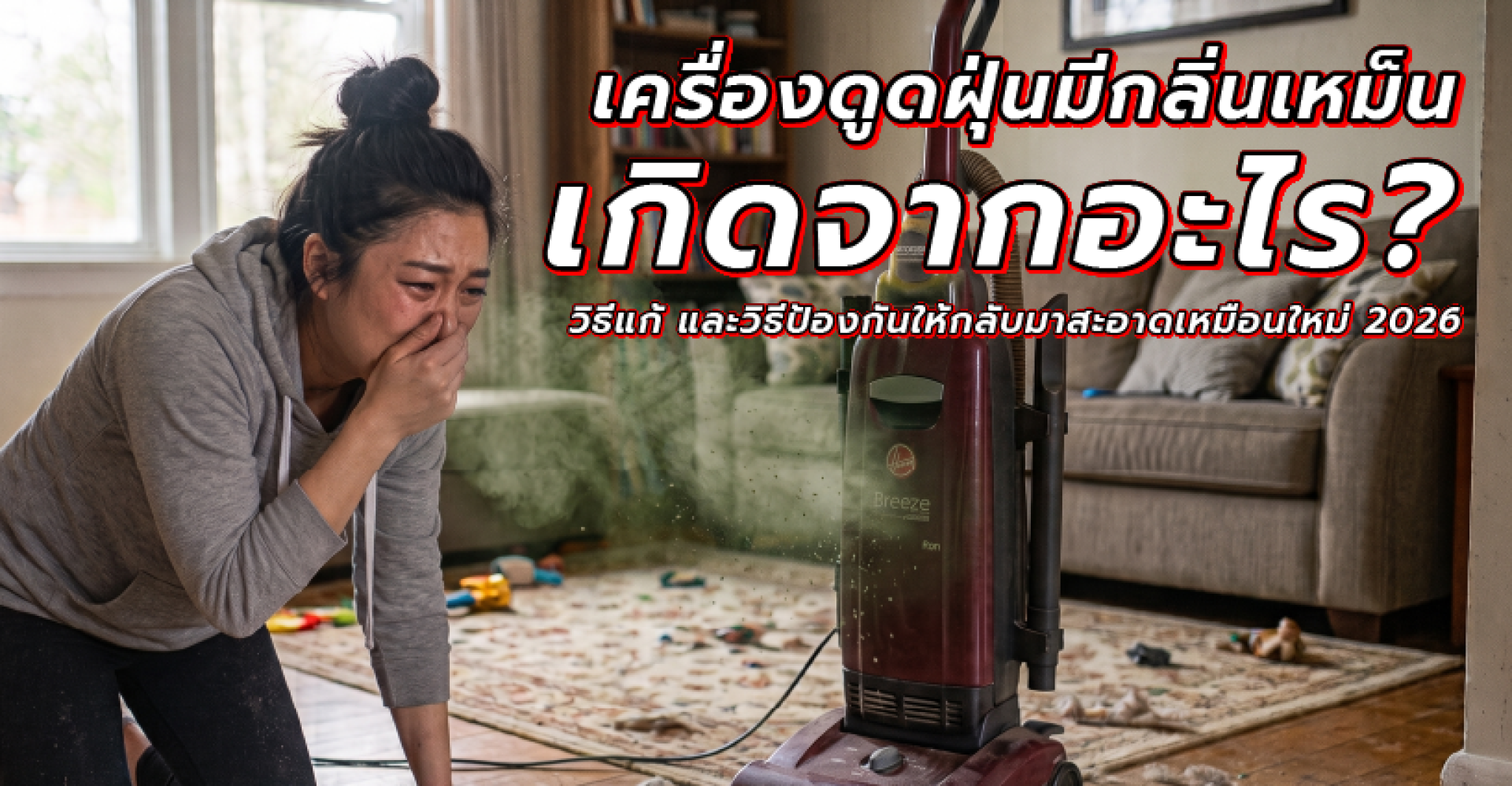
Why Does My Vacuum Cleaner Smell Bad? Causes, Fixes, and Prevention Tips (2026 Guide)
If you've noticed that your vacuum cleaner smells bad every time you turn it on, you're not alone. A musty, sour, burnt, or unpleasant odor coming from your vacuum is one of the most common maintenance issues homeowners experience. While the smell may seem harmless at first, it can indicate accumulated dust, a dirty HEPA filter, trapped debris, mold growth, or even a mechanical problem inside the machine.
Whether you own a cordless vacuum, upright vacuum, canister vacuum, stick vacuum, or wet and dry vacuum cleaner, unpleasant odors can develop over time if the appliance is not cleaned and maintained properly. Homes with pets, children, carpets, or high levels of dust are especially prone to this issue because the vacuum collects hair, dander, food crumbs, and fine particles every time it is used.
The good news is that most vacuum cleaner odors are easy to eliminate. In this guide, you'll learn why your vacuum cleaner smells bad, how to identify different types of odors, the most common causes, step-by-step solutions, and simple maintenance tips to keep your vacuum fresh, hygienic, and operating at peak performance.
Is It Normal for a Vacuum Cleaner to Smell?
The answer depends on the type of smell. Some odors are completely normal, especially when using a brand-new vacuum cleaner for the first few times. However, persistent or strong odors usually indicate that your vacuum needs cleaning, maintenance, or repair.
Normal Vacuum Cleaner Odors
If your vacuum cleaner is brand new, you may notice a slight plastic or manufacturing smell during the first few uses. This odor comes from new internal components warming up and typically disappears after several cleaning sessions.
Similarly, a mild warm-air smell from the motor after extended use is generally considered normal, particularly when vacuuming large areas. The motor naturally generates heat while operating, but the smell should never resemble burning plastic or electrical wiring.
Vacuum Cleaner Smells That Should Not Be Ignored
If your vacuum produces any of the following odors, it's time to inspect and clean the appliance as soon as possible.
- Musty smell
- Sour odor
- Rotten or garbage-like smell
- Mold or mildew smell
- Burning smell
- Burning plastic odor
These odors often indicate accumulated dust, dirty filters, trapped debris, excessive moisture, or overheating components. Ignoring them may reduce suction performance, shorten the lifespan of the vacuum cleaner, increase energy consumption, and in some cases cause permanent motor damage.
7 Common Reasons Your Vacuum Cleaner Smells Bad
Identifying the source of the odor is the first step toward fixing the problem. Different smells usually point to different causes. Below are the most common reasons why a vacuum cleaner develops unpleasant odors.
1. Dust and Debris Have Built Up Inside the Dust Bin
The most common reason a vacuum cleaner smells bad is a dust container that hasn't been emptied regularly. The dust bin collects far more than ordinary dirt. It also contains hair, pet fur, dead skin cells, pollen, fabric fibers, and microscopic organic debris.
When these materials remain inside the vacuum for days or weeks, especially in humid environments, bacteria and microorganisms begin to multiply. Every time you switch on the vacuum, airflow passes through the contaminated dust, carrying unpleasant odors back into your home.
If your household uses the vacuum frequently, it's best to empty the dust container after every cleaning session or whenever it reaches the manufacturer's recommended fill level. This simple habit not only prevents unpleasant smells but also helps maintain strong suction performance and extends the life of the vacuum.
2. A Dirty HEPA Filter or Air Filter
The HEPA (High-Efficiency Particulate Air) filter is one of the most important components of a modern vacuum cleaner. Its primary function is to trap microscopic dust particles, allergens, pollen, pet dander, mold spores, and even fine particulate matter before clean air is released back into your home.
Over time, the filter gradually becomes clogged with dust and debris. If it is not cleaned or replaced according to the manufacturer's recommendations, moisture and organic particles can accumulate inside the filter media, creating an ideal environment for bacteria and mold growth. As air passes through the dirty filter, unpleasant odors are blown back into the room.
Many people mistakenly assume the smell is coming from the motor, when in reality the HEPA filter is often the source of the problem.
A clogged filter also restricts airflow, forcing the motor to work harder. This can reduce suction power, increase energy consumption, and shorten the lifespan of the vacuum cleaner.
Maintenance Tips
- Clean washable filters according to the manufacturer's instructions.
- Allow the filter to dry completely before reinstalling it.
- Replace disposable HEPA filters at the recommended service interval.
- Never reinstall a damp filter, as trapped moisture can encourage mold growth.
3. Vacuuming Food Debris or Wet Materials
Another common reason a vacuum cleaner develops unpleasant odors is vacuuming food scraps or damp materials with a machine designed only for dry cleaning.
Items such as bread crumbs, rice, cereal, pet food, fruit pieces, coffee grounds, or spilled liquids may become trapped inside the dust container, hose, or internal airflow passages. Once these organic materials remain inside the vacuum, they begin to decompose and produce bacteria, mold, and foul-smelling gases.
The result is usually a sour, rotten, or mildew-like smell every time the vacuum is switched on.
Unless your vacuum cleaner is specifically designed as a wet and dry model, you should avoid vacuuming:
- Milk
- Coffee
- Soft drinks
- Soup
- Wet pet food
- Fresh fruit or vegetables
- Water or other liquids
If you accidentally vacuum any of these materials, stop using the vacuum immediately. Empty the dust bin, clean all washable components thoroughly, inspect the hose for trapped debris, and allow every part to dry completely before using the vacuum again.
4. Hair and Pet Fur Wrapped Around the Brush Roll
If you have pets or family members with long hair, the vacuum cleaner's brush roll can quickly become wrapped with hair, pet fur, thread, and carpet fibers. Over time, these materials collect dust, skin oils, dirt, and moisture, creating an unpleasant musty odor.
Besides causing bad smells, tangled hair also prevents the brush roll from rotating efficiently. As a result, cleaning performance decreases, suction may appear weaker, and the motor has to work harder than normal.
Regularly inspecting and cleaning the brush roll is one of the easiest ways to keep your vacuum performing like new.
Use scissors or the cleaning tool provided by the manufacturer to carefully remove tangled hair and fur. Then wipe away any remaining dust or grime before reinstalling the brush.
For homes with pets, cleaning the brush roll once a week is generally recommended. Removing hair buildup not only eliminates odors but also improves pickup performance and helps extend the overall lifespan of the vacuum cleaner.
5. A Clogged Hose or Blocked Airway
A blocked vacuum hose or restricted airflow path is another common cause of unpleasant odors. Even if you've emptied the dust bin and cleaned the filter, debris trapped inside the hose or internal air channels can continue producing bad smells every time the vacuum is used.
Objects such as paper, plastic, hair, fabric fibers, or compacted dust can become lodged inside the hose. As air passes through the blockage, it carries unpleasant odors back into the room while also reducing the vacuum's suction performance.
Common signs of a clogged hose include:
- Noticeably weaker suction power
- Unusual operating noise
- The motor becomes hot quickly
- A musty odor every time the vacuum runs
- Difficulty picking up small debris
To inspect the hose, disconnect it from the vacuum cleaner and shine a flashlight through it. If you find a blockage, carefully remove it using a flexible cleaning tool or a long object that will not damage the hose. Avoid using sharp metal tools that could puncture or scratch the interior.
6. Mold and Moisture Inside the Vacuum Cleaner
Moisture is one of the biggest contributors to unpleasant vacuum cleaner odors. In warm and humid climates, even a small amount of trapped moisture can create the perfect environment for mold, mildew, and bacteria to grow.
This commonly happens when washable components such as the dust container or filter are reassembled before they are completely dry. Moisture can also enter the vacuum after cleaning damp floors or accidentally vacuuming wet debris.
Mold-related odors typically smell musty, similar to damp clothing, an old basement, or a closet with poor ventilation. Besides creating unpleasant smells, mold spores may also be released back into the indoor air, which can be problematic for people with allergies or respiratory conditions.
To prevent mold growth:
- Wash only the components approved by the manufacturer.
- Allow every washable part to dry completely for at least 24 hours before reassembly.
- Store the vacuum cleaner in a cool, dry, and well-ventilated area.
- Avoid leaving damp debris inside the dust container.
7. Motor or Electrical Components Are Overheating
If your vacuum cleaner produces a burning smell or the odor of melting plastic, stop using it immediately. Unlike musty odors caused by dust or mold, a burning smell often indicates a mechanical or electrical problem that requires prompt attention.
Common causes include:
- A severely clogged HEPA filter restricting airflow
- A blocked hose causing excessive motor strain
- An overfilled dust container
- Operating the vacuum continuously for extended periods
- Worn motor bearings or cooling fan components
- Electrical faults inside the motor assembly
When airflow is restricted, the motor cannot cool itself efficiently. Excessive heat builds up, which may produce a burning odor and, if ignored, can permanently damage the motor or other electrical components.
Important: If you notice a burning smell, switch off the vacuum immediately. For corded models, unplug the power cord. For cordless models, turn off the unit and remove the battery if the design allows. Allow the vacuum to cool, then inspect the dust container, filter, and hose for blockages. If the odor persists after cleaning, discontinue use and have the vacuum inspected by an authorized service center.
What Different Vacuum Cleaner Odors Can Tell You
The type of odor coming from your vacuum cleaner often provides valuable clues about the underlying problem. Identifying the smell correctly can help you troubleshoot the issue faster and prevent unnecessary damage.
| Type of Odor | Possible Cause | Recommended Solution |
|---|---|---|
| Musty smell | Dust buildup or a dirty filter | Empty the dust bin and clean the filter. |
| Sour odor | Mold or trapped moisture | Wash all washable components and allow them to dry completely. |
| Rotten smell | Food debris or organic waste inside the vacuum | Clean the dust container, hose, and internal airflow path. |
| Burning smell | Motor overheating or restricted airflow | Stop using the vacuum immediately and inspect for blockages. |
| Burning plastic smell | Electrical or internal component failure | Discontinue use and contact an authorized service center. |
A slight odor from a brand-new vacuum cleaner is generally normal during the first few uses. However, if the smell becomes stronger, returns every time you vacuum, or is accompanied by reduced suction or unusual noises, it's important to inspect the appliance as soon as possible. Early maintenance can prevent costly repairs and help your vacuum cleaner continue operating safely and efficiently.
How to Get Rid of Bad Smells from Your Vacuum Cleaner
In many cases, a smelly vacuum cleaner doesn't need to be replaced. Most unpleasant odors can be eliminated through proper cleaning and routine maintenance. Follow these steps to restore your vacuum cleaner's performance and keep it smelling fresh.
1. Empty the Dust Bin After Every Use
Never leave dirt and debris inside the dust container for long periods. Dust, hair, pet dander, food crumbs, and organic matter can quickly become breeding grounds for bacteria and mold, especially in humid environments.
Emptying the dust bin after every cleaning session is one of the simplest and most effective ways to prevent unpleasant odors while maintaining strong suction power.
2. Wash the Dust Container Regularly
Clean the dust container using warm water and a mild dishwashing detergent whenever the manufacturer allows it. Remove all visible dirt, rinse thoroughly, and allow the container to dry completely before reinstalling it.
Never reassemble the vacuum while the dust container is still damp, as trapped moisture can lead to mold growth and recurring odors.
3. Clean or Replace the HEPA Filter
Inspect your vacuum's filter regularly. Wash reusable filters according to the manufacturer's instructions, while disposable HEPA filters should be replaced at the recommended maintenance interval.
A clean filter improves airflow, maintains maximum suction performance, and prevents unpleasant odors caused by accumulated dust and bacteria.
4. Clean the Brush Roll and Floor Head
Hair, thread, carpet fibers, and pet fur wrapped around the brush roll should be removed regularly. Use scissors or the cleaning tool provided with your vacuum cleaner to carefully cut away tangled debris.
After removing hair, wipe the brush roll and floor head with a damp cloth before allowing them to dry completely.
5. Check the Hose and Air Passages
Disconnect the hose and inspect it for blockages. Remove any trapped debris carefully to restore normal airflow. Also check the vacuum's internal air channels if they are accessible according to the manufacturer's instructions.
Improved airflow reduces stress on the motor and helps eliminate odors caused by trapped dirt.
6. Reassemble Only When Every Part Is Completely Dry
Before putting your vacuum cleaner back together, make sure the dust container, filters, brush roll, and all washable components are completely dry.
Even a small amount of moisture trapped inside the vacuum can encourage mold growth and cause unpleasant smells to return within a short period.
How to Prevent Your Vacuum Cleaner from Smelling Bad Again
Routine maintenance is the best way to prevent unpleasant odors and keep your vacuum cleaner operating efficiently for years.
- Empty the dust bin after every cleaning session.
- Wash the dust container regularly.
- Clean or replace the HEPA filter according to the manufacturer's schedule.
- Avoid vacuuming liquids unless your vacuum is specifically designed for wet cleaning.
- Inspect the brush roll and hose for hair or debris buildup.
- Store the vacuum cleaner in a cool, dry, and well-ventilated place.
- If you have pets, clean the brush roll and filter more frequently because pet hair and dander accumulate quickly.
These simple maintenance habits not only eliminate odors but also improve suction performance, reduce wear on the motor, and extend the overall lifespan of your vacuum cleaner.
When Should You Replace the Filter or Have the Vacuum Serviced?
If your vacuum cleaner still smells bad even after a thorough cleaning, one or more internal components may have reached the end of their service life.
Consider replacing the filter or contacting an authorized service center if you notice any of the following:
- The bad smell remains after cleaning every component.
- Suction power has noticeably decreased.
- The motor becomes unusually hot.
- The vacuum produces excessive noise.
- You detect a burning or melting plastic smell.
- The HEPA filter is damaged, deformed, or beyond its recommended replacement interval.
Replacing worn filters and servicing the vacuum when necessary helps maintain peak cleaning performance while preventing more expensive repairs in the future.
Conclusion
A vacuum cleaner that smells bad is usually caused by dust buildup, dirty filters, trapped food debris, moisture, mold, or restricted airflow. Fortunately, most odor problems can be solved through regular cleaning and proper maintenance.
Simple habits such as emptying the dust bin after every use, cleaning the HEPA filter, removing hair from the brush roll, and checking the hose for blockages will keep your vacuum cleaner performing efficiently while preventing unpleasant odors.
However, if you notice a burning smell, melting plastic odor, excessive heat, or unusual electrical symptoms, stop using the vacuum immediately and have it inspected by an authorized service technician. Prompt attention can prevent serious damage and ensure safe operation.
Frequently Asked Questions (FAQ)
Why does my vacuum cleaner smell bad every time I use it?
The most common causes are a full dust bin, a dirty HEPA filter, trapped food debris, mold, or moisture inside the vacuum. Cleaning these components usually resolves the problem.
Why does my vacuum still smell after I cleaned it?
The odor may be coming from the hose, brush roll, internal air passages, or a filter that needs replacement. Reassembling the vacuum before all parts are completely dry can also lead to recurring mold odors.
How often should I clean or replace the HEPA filter?
Follow the manufacturer's maintenance schedule. Wash reusable filters regularly and replace disposable HEPA filters when they become clogged, damaged, or reach the recommended replacement interval.
Is a burning smell from a vacuum cleaner dangerous?
Yes. A burning smell may indicate an overheating motor, restricted airflow, or an electrical fault. Turn off the vacuum immediately, inspect it for blockages, and contact an authorized service center if the smell continues.
Can I use air freshener or deodorizing spray inside my vacuum cleaner?
It is generally not recommended. Sprays may leave residue on the filter or internal components, reducing performance. The best solution is to remove the source of the odor by cleaning the vacuum thoroughly and replacing worn filters when necessary.
- U.S. Environmental Protection Agency (EPA) Indoor Air Quality (IAQ)
- Centers for Disease Control and Prevention (CDC) Mold Information
- Dyson Support Vacuum Cleaner Care & Maintenance
- BISSELL Support Vacuum Maintenance and Troubleshooting
- Shark Clean Support Vacuum Cleaner Maintenance
- RTINGS.com Vacuum Cleaner Reviews & Performance Tests
- NHS Healthy Home and Indoor Environment